
Published on
March 19, 2026
Building Wholistic: What 10+ Years in Product Delivery Taught Me

Execution is at the core of product delivery. But over time, experience begins to surface patterns. Across teams, tools, and industries, the same structural gaps appear: visibility weakens, context fragments, and intention becomes harder to protect. Wholistic was built as a response to those patterns, not as an idea, but as an outcome of experience.
Starting in Quality Changes How You Optimise
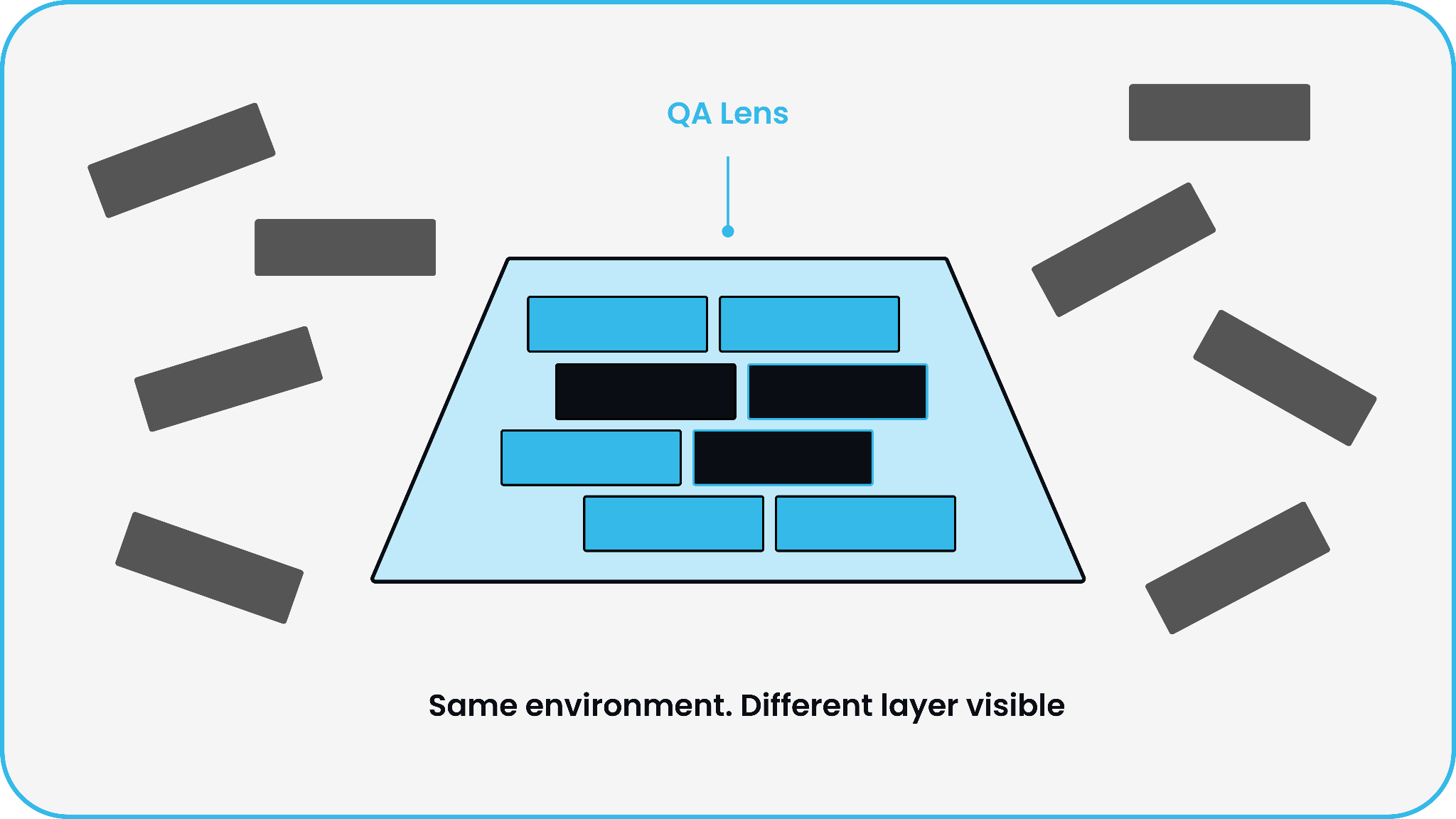
I did not begin my career building products. I began by testing them.
Working in Quality Assurance (QA) forces a different orientation. You are not concerned with how quickly something was delivered or how busy a team appears. You are concerned with whether what was built actually reflects what was intended. Over time, that lens sharpens. You begin to notice that defects are rarely isolated mistakes. They are usually symptoms of something structural, misaligned expectations, diluted context, or fragmented communication.
That early exposure changes how you see delivery.
As I moved from QA into programme management and began overseeing more complex product environments, the scale increased, but the underlying pattern did not. I was no longer validating isolated features. I was observing entire delivery systems in motion. Multiple teams, multiple stakeholders, converging deadlines, layered dependencies.
And repeatedly, breakdowns rarely started with incompetence.
It started with drift.
When Activity Masquerades as Progress
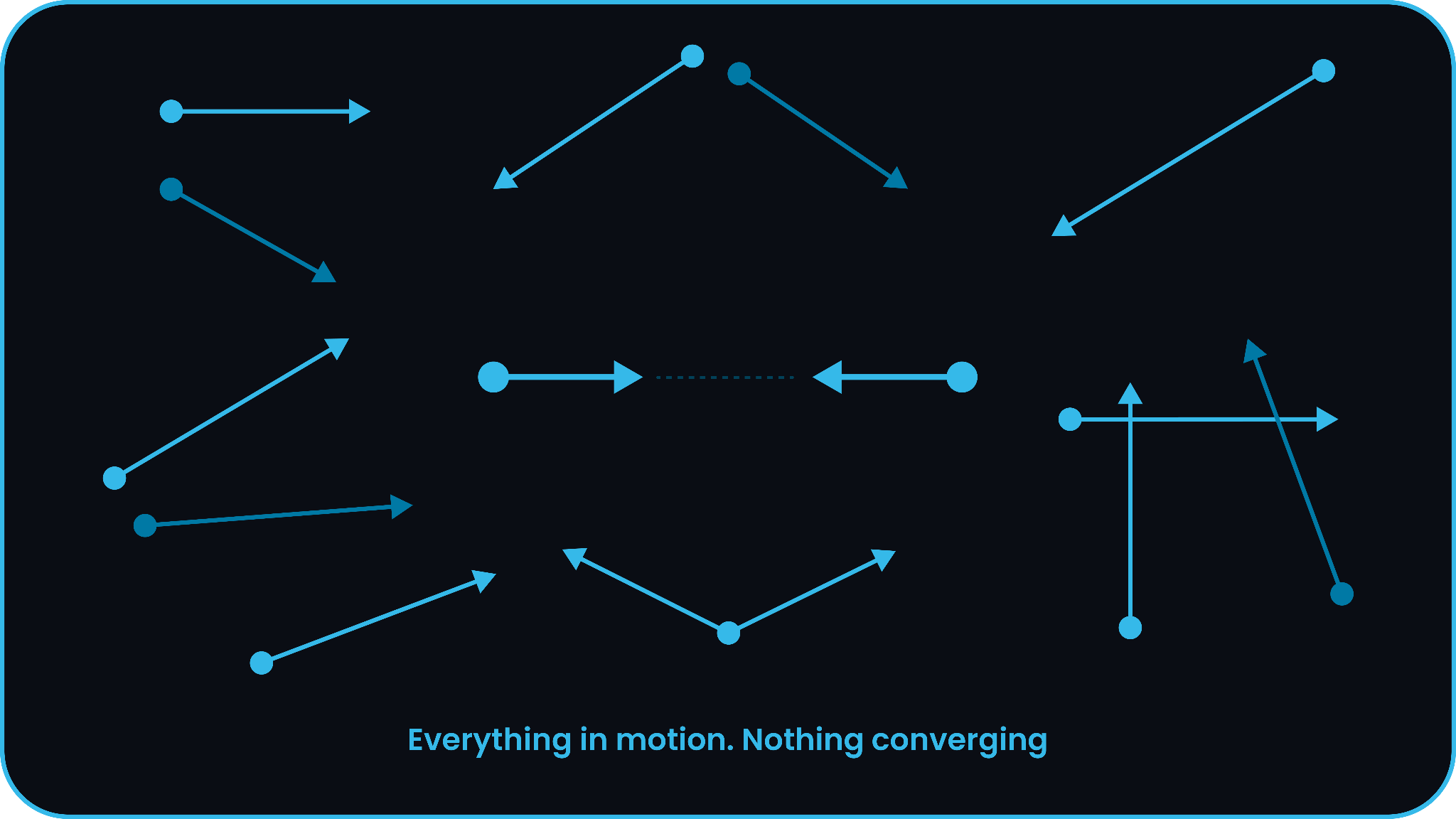
In many delivery environments, activity creates comfort. Tickets are moving. Meetings are happening. Reports are circulating. From a distance, everything looks alive.
But activity is not alignment.
It is entirely possible for a team to move quickly while gradually separating from the original objective. The drift is rarely dramatic. It appears in subtle reinterpretations, in unclear handovers, in risks that are mentioned but not structurally tracked. Weeks can pass before anyone realises the centre has shifted.
Over time, I realised that most rework, frustration and stakeholder disappointment stem from this quiet dilution of intention.
That is not a talent problem.
The Cost of Fragmentation at Scale
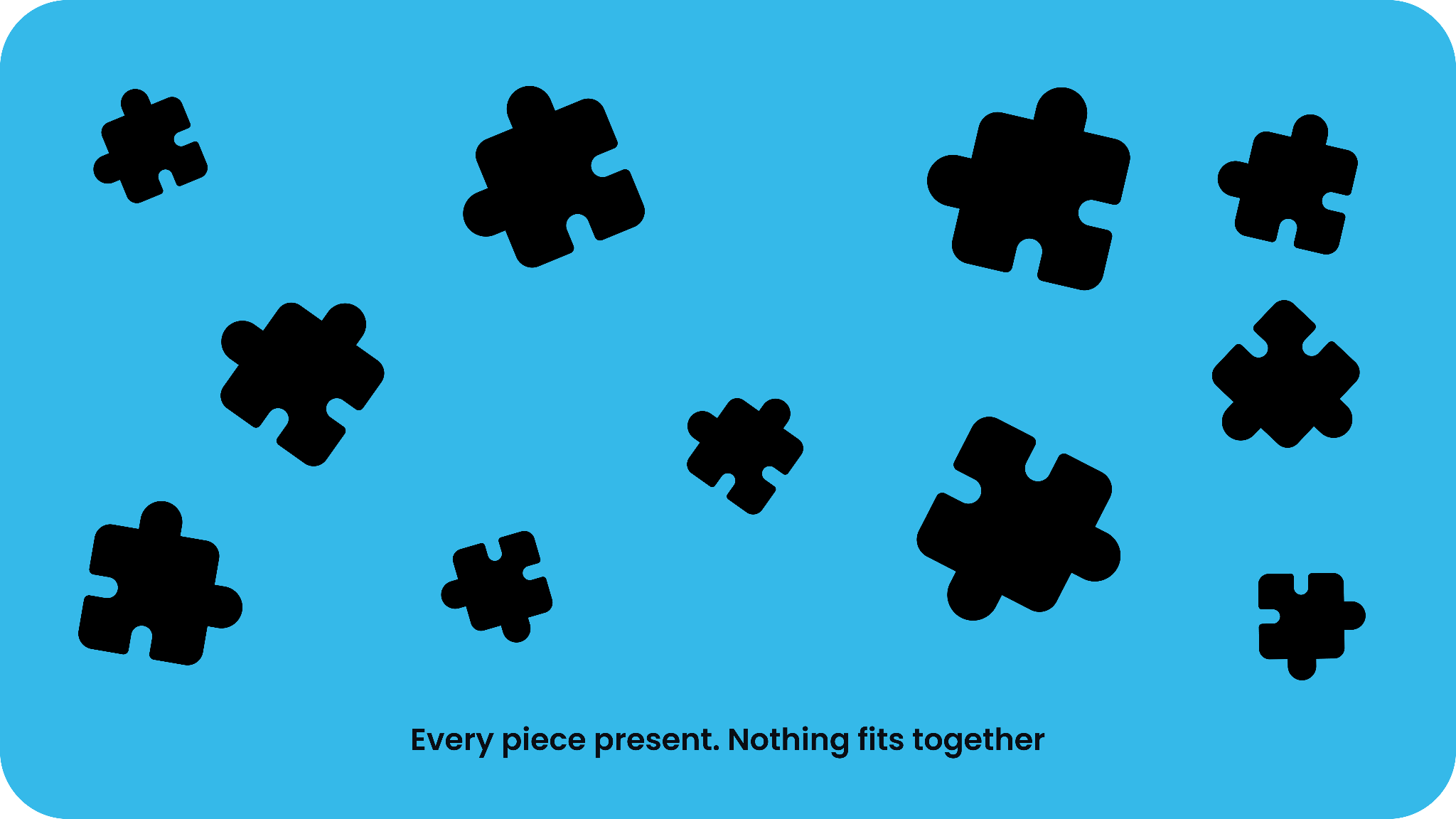
As the number of concurrent projects I was overseeing increased, fragmentation became the most persistent operational risk.
Each environment had its own tools. Communication lived in one platform. Ticketing in another. Documentation somewhere else entirely. Individually, each system functioned well. Collectively, they dispersed context.
At a smaller scale, reconciliation felt manageable. I could hold the connections in my head. I knew where to look. But as complexity increased, answering simple leadership questions required piecing together fragments from multiple systems.
Instead of asking what decision to make next, time was spent reconstructing what was actually happening.
That is an expensive place to operate from.
Fragmentation does not always look like failure. It often looks like effort. But when information lives everywhere, intention becomes harder to protect.
Why Standardisation Protects Intention
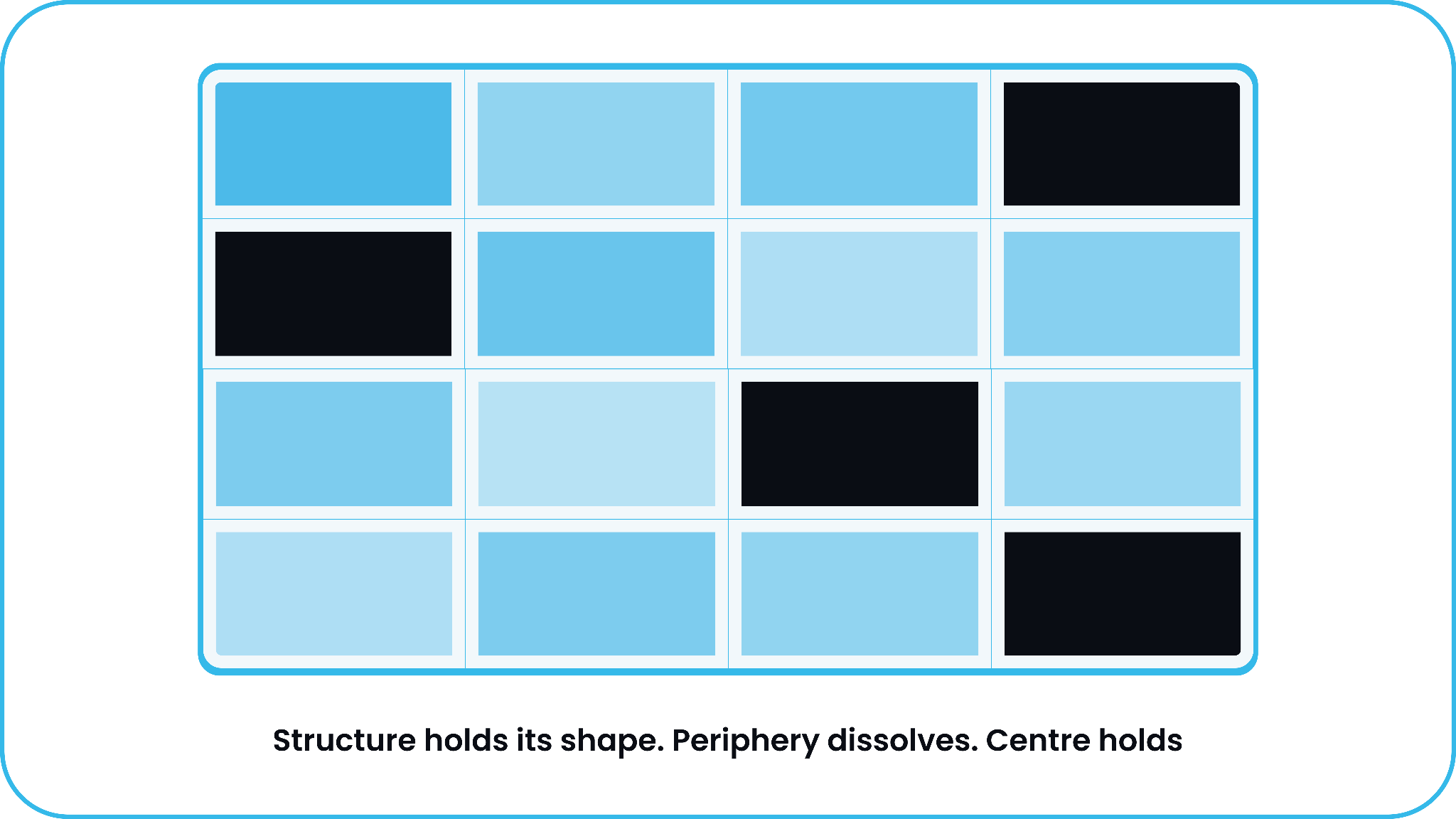
Another pattern emerged through repetition. Even with reporting templates and documented processes, variation crept in. Different managers summarised differently. Formatting drifted. Depth of insight varied. Onboarding depended heavily on who was available to explain historical context.
That experience reinforced something important.
If quality depends on individual discipline alone, it will eventually weaken under scale.
Standardisation is often misunderstood as rigidity. In reality, it is protection. It ensures that intention survives interpretation. It reduces the probability that critical context will erode over time.
For years, I enforced that discipline through process. Structured reporting templates. Defined risk categories. Explicit milestone tracking. Those systems improved clarity, but they relied on memory and manual oversight.
And manual enforcement always reaches a limit.
When Experience Becomes System Design
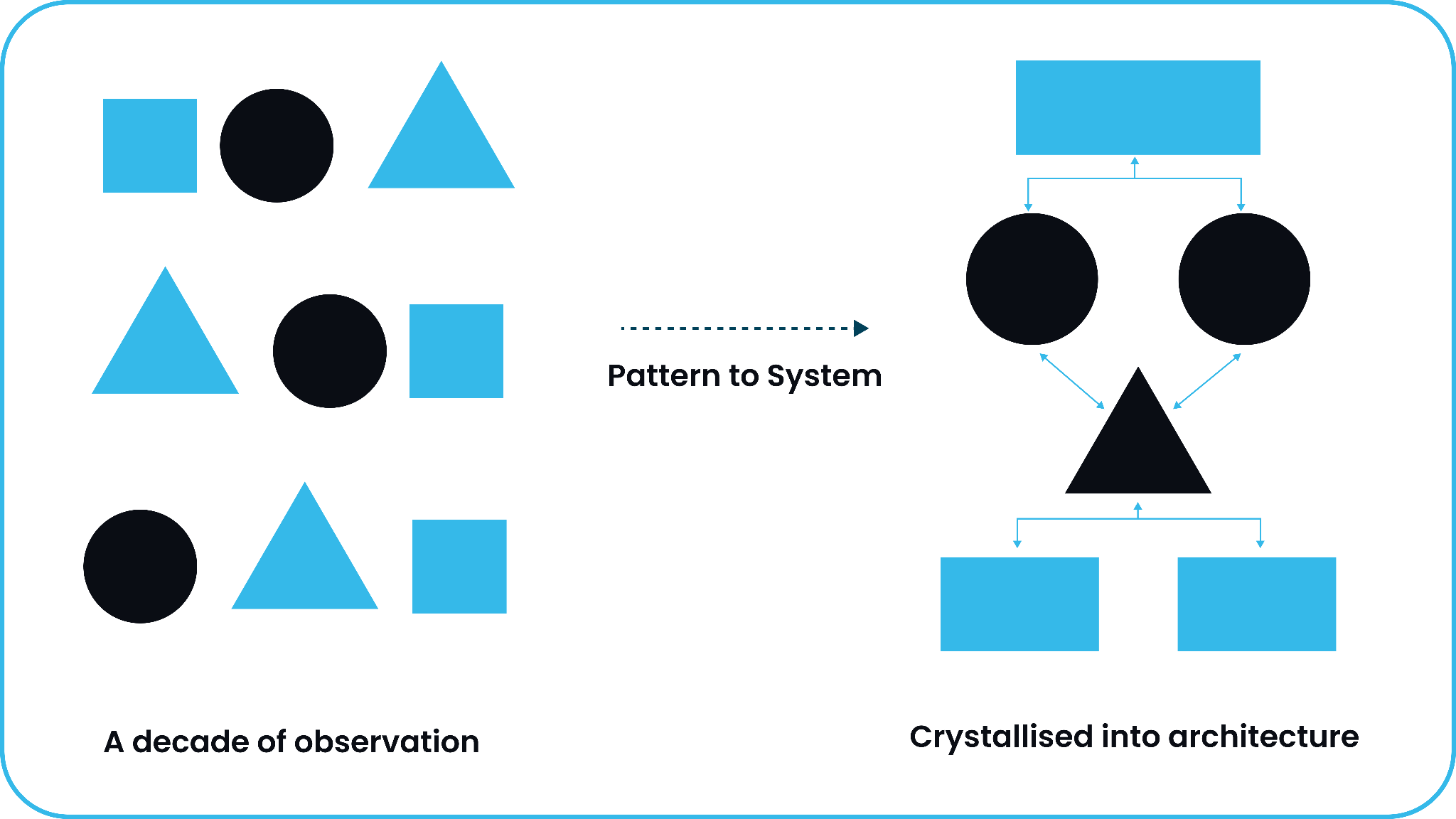
Wholistic did not begin as a theoretical solution or a product experiment. It emerged as the system-level expression of patterns observed repeatedly over more than a decade.
The unified visibility layer reflects years of reconciling fragmented tool stacks. The structured reporting engine mirrors frameworks that were once manually enforced. The controlled access logic reflects the delicate balance between transparency and confidentiality that complex delivery environments require.
Even the conversational intelligence layer has roots in repetition. Across industries and product types, the same questions surfaced consistently: Where are we in relation to the goal? What changed? What is at risk? When will we complete this milestone?
Answering those questions often required synthesising context across tools and documents. Eventually, the pattern became obvious. If delivery data is structured properly from the beginning, those answers should not require manual assembly.
They should already be inherent in the system.
What a Decade in Delivery Ultimately Reveals
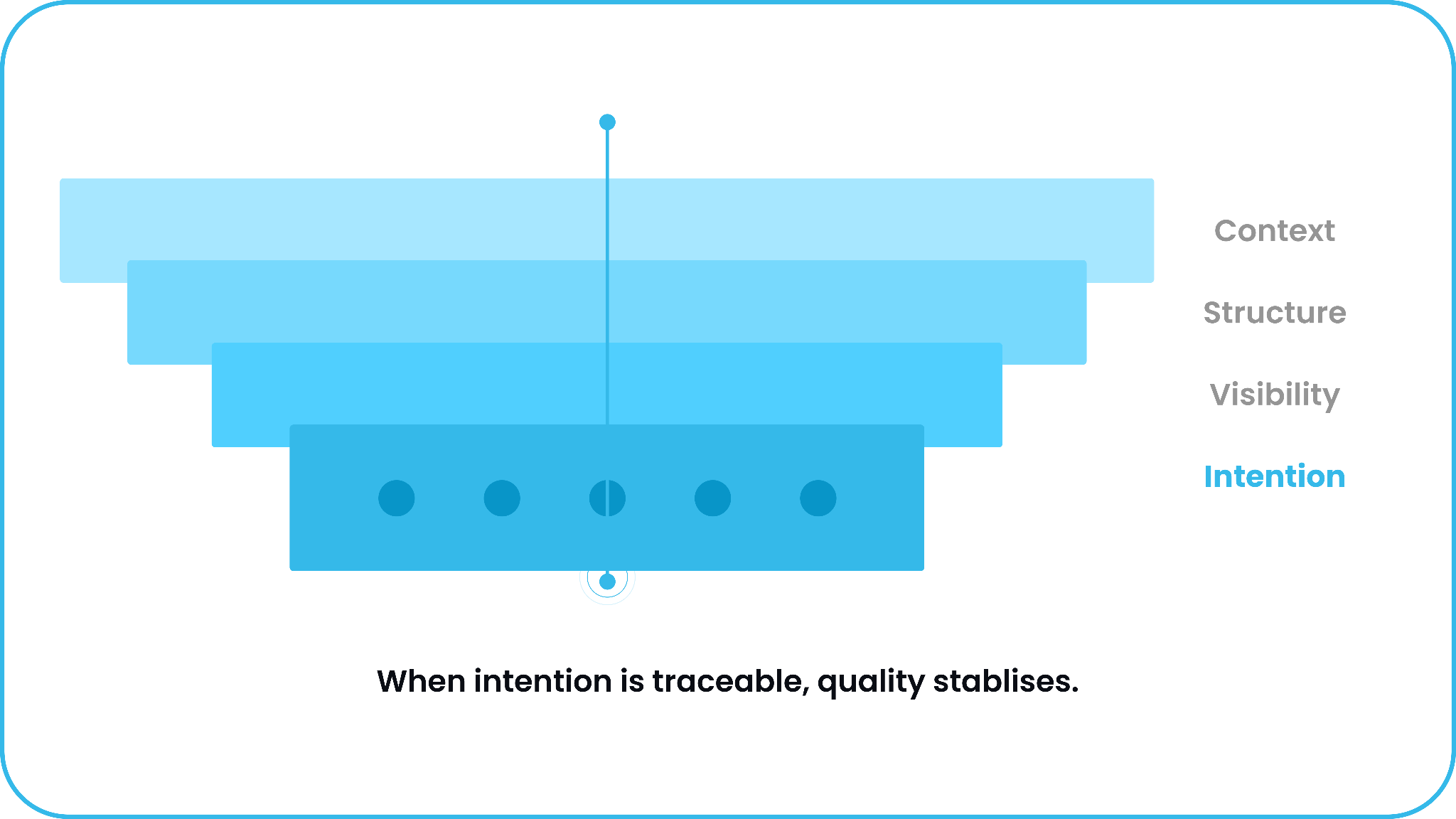
After enough cycles of planning, building, testing and releasing, one principle becomes difficult to ignore.
Delivery rarely fails because teams lack intelligence or effort.
It fails because intention becomes invisible.
When intention is clearly structured, traceable and consistently represented, quality stabilises. When intention is scattered across systems, interpretations and memory, quality becomes reactive.
Building Wholistic was not a pivot away from delivery. It was the continuation of what delivery experience kept revealing.
Instead of repeatedly enforcing discipline at the edges, the discipline moved into the centre. Instead of relying on proximity and supervision, structure became architecture.
That shift is subtle.
But it changes everything about how delivery operates, and how it feels to lead it.


Ready to bring your best work together?
Sign up today and experience how Wholistic can transform your team's productivity!


